

Photo

News • Infection prevention

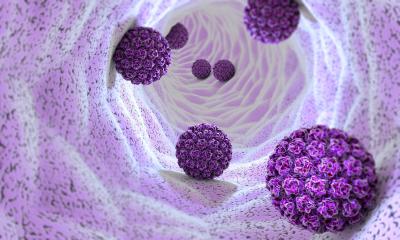
Needle-free ‘universal vaccine’ could protect from future virus outbreaks

A research team has developed a way to engineer better vaccines that could provide broad protection from thousands of variants of viruses - such as coronaviruses or Ebola - in a single vaccine.

Photo

News • Additive manufacturing

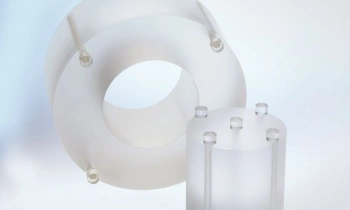
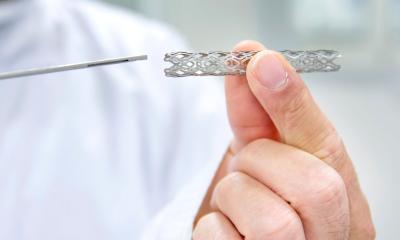
3D printed 'lily stent' could speed recovery after weight-loss surgery

To treat gastric leaks after weight loss surgery, doctors usually rely on a device not suited for the task. This may result in further complications. A redesigned stent could help fix this issue.

Photo

News • Future Health Index global report

Medical AI in 2026: budding benefits, marred by knowledge gaps

Improved detection of clinical errors and time-saving on the one hand, inadequate training on the other: the latest Future Health Index points out benefits and challenges of medical AI integration.

Photo

Article • Pros and cons of academic-industry partnerships

Computational pathology: Building bridges between labs and business

Academic-industry partnerships are playing a crucial role in advancing computational pathology. At the Digital Pathology and AI Congress: Europe in London in December, Liron Pantanowitz outlined the benefits and risks of such collaborations – and why he believes the advantages outweigh the potential pitfalls.

Collections

Photo

Article • Infection prevention

Hygiene: far more than just hand washing

Hand washing and disinfection are among the most important measures to prevent infections with viruses or bacteria. However, an important aspect of hygiene in the clinical environment is also the…

Photo

Article • Information channel

Neurology: Let's get nervous

Neural networks are emblematic of complex systems, so it's no surprise that the field of neurology is eclectic and intricate, too. Main challenges for neurologists are therapies of and research on…

Photo

Article • Close to the patient

Focus on POCT

Bringing diagnostics to the patient: Point-of-Care-Testing (POCT) is all about examinations close to the patient – in the hospital ward, at the GP, in the ambulance or even in the patient's home.…

Diagnostic imaging

Radiology, sonography and beyond: Keep reading to find out how imaging techniques like MRI, CT and ultrasound can be used in the diagnosis of diseases and the guidance of medical procedures.

Photo

News • Dynamic chest radiography

Seven-second X-ray scan detects heart complication after ToF surgery

Researchers developed a simple, rapid, and low-dose X-ray technique to evaluate the severity of pulmonary valve regurgitation – a common complication after surgical repair of Tetralogy of Fallot.

Photo

News • Impact beyond weight loss

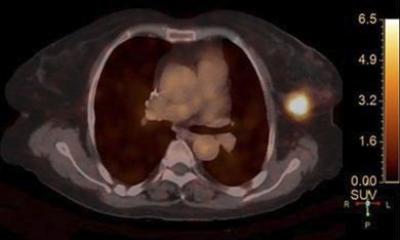
Whole-body PET/CT reveals metabolic changes after bariatric surgery

A novel PET imaging framework reveals that bariatric surgery impacts not only body weight, but also the metabolic function of organs. These insights could support more precise treatment monitoring.

Photo

News • Promising prototype

Bringing a PET scanner to the bedside

A novel portable, point-of-care PET scanner could provide a cost-effective approach for hospitals to perform biopsies, tumor ablations, and other procedures in constrained clinical environments.

Products from Radbook

Laboratory/pathology

From clinical chemistry to digital pathology: Read more about how modern medical laboratories and procedures in pathology play a vital role in the detection and prevention of diseases and in medical research.
Photo

News • Key biological mechanisms identified

Finding the “tipping point” of Alzheimer's

At which point does Alzheimer’s disease pathology lead to dementia? Researchers identified distinct mechanisms in the brain, which could represent an important target for future therapies.

Photo

Sponsored • Laboratory Diagnostics

Early Detection of Invasive Fungal Infections: The β-D-Glucan Test on the LIMUSAVE MT-7500

Invasive fungal infections are silent, fast-moving, and notoriously hard to catch in time. The FUJIFILM Wako β-D-Glucan Test on the LIMUSAVE MT-7500 gives clinical laboratories a quantitative,…

Photo

News • OPTIMA trial results

Gene test could safely spare breast cancer patients of chemotherapy

Many people with breast cancer can avoid chemotherapy with a gene test, potentially sparing them side effects without increasing the risk of the cancer returning, a clinical trial has found.

Products from Labbook

Treatment

Medical innovations are rapidly expanding therapy options for many diseases. Keep reading to find more information on new therapies, surgical techniques, effective medication and patient care.

Photo

News • Novel radiopharmaceutical therapy

Promising treatment option for aggressive neuroendocrine tumors

A new type of peptide receptor radionuclide therapy (PRRT) appears to be safe in metastatic neuroendocrine tumor patients who have exhausted conventional treatment options.

Photo

News • Study measures health impact

Reusable catheters = infection risk? New study says no

For decades, patients have been strictly advised to use single-use catheters to prevent urinary tract infections (UTIs). However, a new study suggests that reusable options are equally safe.

Photo

News • Remote rehabilitation

iRehab: Towards better recovery for intensive care survivors

A new clinical trial has identified new opportunities to improve recovery for intensive care survivors through remote rehabilitation delivered in patients’ homes.

Management

Time to bring out the white collars: Read more about the economy and politics of health as well as optimised hospital and patient management.

Photo

News • Annual industry event

Pharma's Competitive Advantage at AUTOMA+ 2026

The pharmaceutical industry has spent more than a decade discussing the digital factory, yet many of the same challenges remain: meeting regulatory expectations around data integrity, improving…

Photo

News • Polyendocrine Metabolic Ovarian Syndrome

From PCOS to PMOS: is a name change enough to make a difference?

Polycystic Ovary Syndrome (PCOS) is being renamed Polyendocrine Metabolic Ovarian Syndrome (PMOS) – but will it help those it affects? Experts argue what else needs to change to make a difference.

Photo

News • Decarbonisation effort

“MedZero”: Global database shows carbon footprint of healthcare products

Data experts have created the first global carbon analytics database – a new resource to help hospitals and clinics save money, reduce waste, improve patient care, and tackle climate change.

IT/Tech

From AI-based image analysis to virtual therapies: Find out how digitalisation and cutting-edge IT solutions advance the medical landscape.

Photo

News • Sticker health

Ultrasound-based pacemaker to noninvasively steady the heart

Engineers have developed a noninvasive pacemaker that stimulates the heart using ultrasound. The design could one day provide a surgery-free alternative to traditional cardiac implants.

Photo

News • Fetal monitoring

Wearable ultrasound patch to improve care for high-risk pregnancies

Engineers have created a soft, wearable ultrasound patch that can continuously monitor a fetus for hours at a time — and do so even as the fetus and umbilical cord constantly move during pregnancy.

Photo

News • Contrastive language image pretraining

AI system to interpret cardiac MRI scans with enhanced accuracy

A team of researchers has developed an AI system capable of interpreting some of the most complex heart scans in medicine, cardiac MRI, without the need for manually labeled training data.

Research

When scientific curiosity paves the way for improved healthcare: Read more about promising studies and trials that lead to more effective drugs, procedures as well as medical guidelines.

Photo

News • Minimally invasive stimulation

Microrobots repair spinal cord damage

A new approach to repair spinal cord injuries: A biohybrid robot combining therapeutic stem cells with magnetoelectric nanoparticles. First tests on zebrafish and mice show promise.

Photo

News • Hooked to help

Bioengineered hookworms could serve as drug factories inside the gut

A hookworm can survive in the human gut for years. Researchers have now harnessed that biological mechanism, engineering a hookworm to produce and deliver a drug within a living host.

Photo

News • Post-injury axon regrowth

Lab-grown model shows ‘irreversible’ spinal cord damage may be reversed

When the spinal cord is damaged, the resulting paralysis is usually considered permanent. Now, a new research approach using lab-grown organoid models suggests that it actually might be reversed.

healthcare-in-europe.com (HiE) - Your guide to world of medical technology in Europe

HiE is a platform for the latest trends in medical technology, innovative procedures and advances in medical research. We cover a broad range of topics from diagnostic imaging, therapy, eHealth, automation, lab and digital pathology to market trends and healthcare insights. We are your guide to the world of medical technology in hospitals and clinics in Europe.

Subscribe to Newsletter